
Last updated November 21, 2026
An unsatisfactory plastic surgery result is more than a disappointment. It is a functional and aesthetic concern. Whether you are dealing with eyelid retraction that leaves your eyes dry and exposed or facial asymmetry that looks "operated on," these outcomes may require specialized reconstructive intervention. Dr. Pacella, a Board-Certified plastic surgeon, advises most patients to wait 6 to 12 months for tissue to fully mature before pursuing a corrective revision.
Table of contents
- Key takeaways
- Summary of Corrective Revision Procedures
- Understanding the Complexity of Unsatisfactory Surgical Outcomes
- Can a bad blepharoplasty be corrected with revision eyelid surgery?
- Identifying Warning Signs in Facial and Eyelid Procedures
- How to choose the best deep plane facelift surgeon for me?
- How long does rhinoplasty recovery take and when will I see results?
- When Revision Surgery Is Not the Immediate Answer
- Next Steps for Reconstructive Facial Correction
- Frequently asked questions
Key takeaways
- Integrated Results. Functional health and aesthetic appearance are closely linked in revision surgery.
- Blepharoplasty Correction. Revision blepharoplasty is commonly used for complications like ectropion.
- Healing Timeline. Tissue typically needs time to settle for at least six months before a secondary surgery.
- Specialist Choice. Selecting a board-certified reconstructive specialist is important for complex revisions.
Summary of Corrective Revision Procedures
| Procedure | Primary Goal | Revision Considerations |
|---|---|---|
| Blepharoplasty | Eyelid Rejuvenation | Addressing retraction or ectropion using structural grafts. |
| Deep Plane Facelift | Facial Lifting | Navigating scar tissue to restore deep tissue layers without tension. |
| Rhinoplasty | Nasal Reshaping | Restoring structural support using ear or rib cartilage grafts. |
| Scar Revision | Texture Improvement | Improving the appearance of thick or discolored surgical scars. |
Understanding the Complexity of Unsatisfactory Surgical Outcomes
Unsatisfactory results range from minor smile lines that weren’t addressed to functional impairments like difficulty closing the eyes. In our practice, we believe that natural appearance and optimal function are one and the same. They must both be addressed in any revision. When a patient suffers from what is commonly termed botched plastic surgery, the underlying issues usually involve excessive scar tissue, heavy fibrosis, or a compromised blood supply from the first attempt.
Revision work is complex. It requires a high level of precision because your original anatomy has been altered. We view reconstructive surgery and cosmetic surgery as two sides of the same coin. If you are struggling with a structural collapse, the secondary surgeon must navigate through layers of dense scar tissue to find healthy planes.
Every patient supports recovery differently. The degree of difficulty in your revision depends on the technique used in the first procedure and your body’s unique inflammatory response. Dr. Pacella, who is Board-Certified, prioritizes a thorough evaluation of the tissue’s blood supply at facilities like Scripps Clinic before he ever picks up a scalpel. This cautious approach helps minimize the risk of skin loss during the reconstructive process.
Can a bad blepharoplasty be corrected with revision eyelid surgery?
Yes. A revision blepharoplasty can be performed to support both the appearance and the protective function of the lids. Blepharoplasty (Eyelid surgery) is a procedure to remove excess skin and fat. It often requires revision if too much tissue was removed, leading to eyelid retraction. Correction typically involves specialized oculoplastic techniques like a tarsoligamentous sling. This is a structural support used to reposition and tighten the lower lid (basically a hammock for your eye).
Expert Insight: In revision work, we aren’t just looking for beauty. We are restoring the tarsoligamentous sling to help ensure the eye is protected and functional.
We frequently see patients for Ectropion. This is a condition where the eyelid turns outward and exposes the inner surface of the lid. Functional repair includes managing lower eyelid retraction to help ensure the eye remains lubricated. If the eye stays dry, you may be at risk for corneal damage. If you are struggling with these issues, seeking a reconstructive eyelid surgery specialist is a logical next step.
Identifying Warning Signs in Facial and Eyelid Procedures
Lower eyelid retraction is a significant concern. It is characterized by an unnatural downward pull that reveals too much of the white of the eye (sclera) below the iris. In a Deep Plane Facelift, which is an advanced facial rejuvenation that repositions deeper tissues for a natural look, persistent asymmetry or nerve weakness may indicate a need for adjustment. Rhinoplasty (Nose job) reshaping also requires significant expertise. Revision is often needed if the nose collapses or the tip looks pinched.
Be patient. It is important to wait for the inflammatory phase to subside before evaluating final results. Early swelling can mimic a surgical error. We utilize advanced reconstructive techniques learned from Mohs facial reconstruction (a specialized method for removing skin cancer) to plan these aesthetic corrections. By applying these principles, Dr. Pacella can better map out how to support lost volume.
When assessing your results, look for these specific indicators:
- Eyelid Gapping. An inability to fully close the eyes when blinking.
- Nasal Collapse. A bridge that looks "scooped out" or nostrils that appear retracted.
- Skin Tension. A "wind tunnel" look where the skin appears pulled toward the ears.
- Persistent Numbness. Lack of sensation that lasts well beyond the expected recovery window.
How to choose the best deep plane facelift surgeon for me?
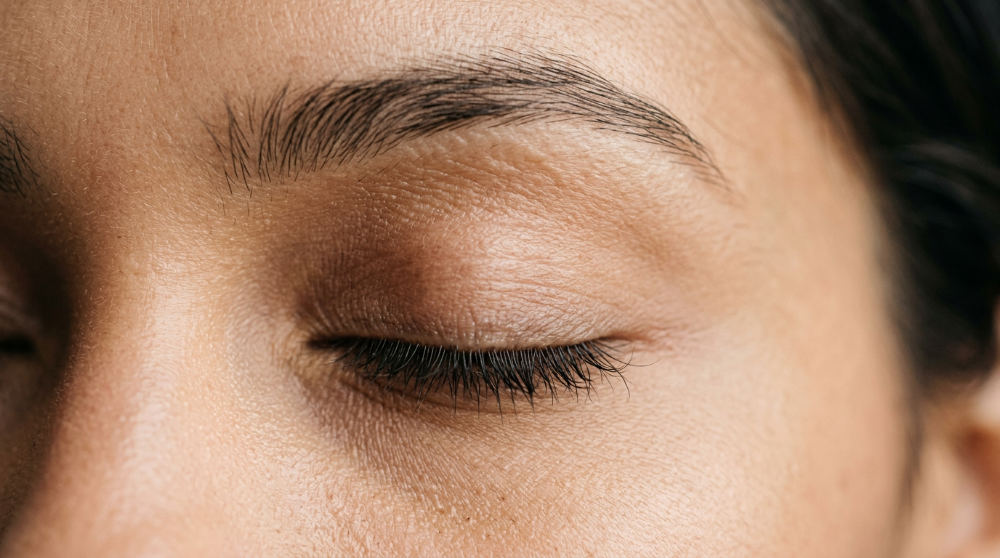
Do not rush this choice. Finding a Board-Certified specialist with experience in secondary procedures is a key way to support safety. A deep plane facelift involves lifting the SMAS (the deeper muscular layers). However, this deeper dissection carries a risk of facial nerve injury and prolonged numbness. Ensure the surgeon is certified by the Abplasticsurgery and has a solid clinical base.
I recommend looking for surgeons active in aesthetic medical research. When vetting a provider, review their approach to safety. Deep plane techniques require intimate knowledge of facial nerve anatomy. You should prioritize specialists who offer a dedicated consultation to assess your full facial structure rather than just a quick fix.
How long does rhinoplasty recovery take and when will I see results?
Rhinoplasty recovery takes approximately 12 to 18 months for the final result. In revision cases, it takes even longer because the tissue is less predictable. While initial swelling and bruising generally subside within 2 to 3 weeks, the internal healing process is a marathon. Seeking a specialist for rhinoplasty in San Diego involves a longer timeline because scar tissue from the first surgery traps fluid.
The nose continues to refine its shape for over a year. Your skin must contract over the new underlying framework. You must follow a strict protocol including head elevation and avoiding heavy exercise for at least 4 to 6 weeks. This helps support the delicate work on the bridge.
Standard Recovery Milestones:
- Week 1. Splints and sutures come out. Swelling is typical.
- Month 3. A large portion of the swelling has generally dissipated.
- Year 1. Most residual swelling in the tip has resolved.
- Year 1.5. Final structural refinement is complete.
When Revision Surgery Is Not the Immediate Answer
Patience is a helpful tool. A common mistake is pursuing a fix too early. Most specialists, including Dr. Pacella, require a wait time of 8 to 12 months for tissue softening. Operating on tissues that are still inflamed can lead to poor wound healing and more scarring. During this period, we may use nonsurgical options to manage your concerns.
The Golden Rule: A critical factor in a successful revision is patience. Operating on tissues that have not fully settled often complicates the original problem.
Revision may not be appropriate for patients with active infections or smoking habits. Smoking significantly increases the risk of skin necrosis (tissue death) and poor healing. You must also understand that a second surgery cannot always return the tissue to its original state. Our goal is significant improvement.
Next Steps for Reconstructive Facial Correction
The journey to correction begins with a physical exam to assess skin laxity. An eye revision surgery specialist can determine if functional issues, like severe dry eye, should be prioritized. Choosing a Board-Certified plastic surgeon who understands the relationship between cosmetic and reconstructive surgery is important.
Bring your previous operative reports. They provide an anatomical roadmap of what was done previously. Improving your comfort is a collaborative process that requires specialized surgical skill and time.
If you are concerned about a previous surgical outcome, you can call 858.554.9930 or schedule a consultation to discuss your reconstructive options with Dr. Pacella.
Frequently asked questions
Can a board-certified surgeon address botched plastic surgery?
Yes, board-certified surgeons specializing in revision work can often improve both the function and appearance of previous outcomes. Success depends on the amount of remaining healthy tissue and the specific nature of the original complication. A specialist will focus on rebuilding the underlying structure.
What are the options for reconstructive revision surgery?
Options include structural grafting, scar revision, and tissue repositioning to help with malpositions like ectropion or septal collapse. In many cases, advanced techniques like the deep plane facelift are used to support a natural look without further tension on the skin. Surgeons may use cartilage from the ear or ribs to restore nasal support. These grafts carry potential complications of donor site morbidity, such as ear deformity or pneumothorax when harvesting rib cartilage.
How long should I wait before getting revision surgery?
Most surgeons recommend waiting 8 to 12 months for scar tissue to mature and inflammation to resolve. Operating too soon means the swelling from the first procedure hasn’t fully subsided, so a revision stacks new swelling on top of existing swelling, which tends to lead a worse outcome. This waiting period allows the blood supply to stabilize, which is important for the success of a second procedure.
Are there non-surgical options to help while I wait for surgery?
Dermal fillers can sometimes help manage minor asymmetries or volume deficiencies temporarily while the tissue settles. However, using fillers in surgical areas with compromised blood supply carries risks such as skin necrosis or vascular occlusion. Laser treatments and specialized massages may help support the softening of firm scar tissue during the mandatory waiting period. These interventions should always be performed under the guidance of your revision surgeon.
Am I a candidate for upper or lower eyelid surgery correction?
Candidates include those with visible lid retraction, difficulty closing the eyes fully, or aesthetic dissatisfaction from a previous blepharoplasty. A consultation with an oculoplastic specialist is necessary to ensure the tear film and corneal health are evaluated. The surgeon will evaluate your blink reflex and skin elasticity during the exam.
If you are ready to explore your options, contact us today to schedule a consultation with Dr. Pacella.
Educational Note: This information is for educational purposes only and does not constitute medical advice, diagnosis, or treatment. Please consult with a qualified healthcare professional regarding your specific situation.