
Eyes
Reconstruction Following Skin Cancer
The Down Side of Southern California
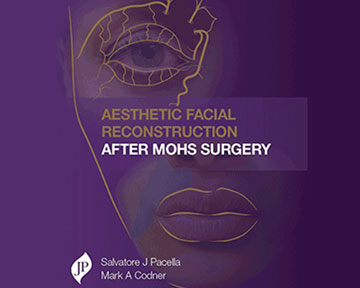
Living in a sun-drenched area such as San Diego has one disadvantage: sun exposure. The single biggest risk of developing skin cancer is related to the cumulative effects of sun damage. While avoidance of sun exposure and the use of sunscreen are very effective preventative measures, early diagnosis and treatment is the key to improving the survival rate for this disease. The most common types of skin cancers are basal cell carcinoma, squamous cell carcinoma and melanoma. If caught early, most cancers can be surgically removed. Techniques such as Moh’s micrographic surgery can be used to minimize the total amount of tissue that needs to be removed. Dr. Pacella specializes in repairing defects of the face and body resulting from skin cancer removal. His exceptional talent and vast experience in plastic surgery led him to write a leading textbook, which was recently awarded a “Highly Commendable Award” by the British Medical Association. Dr. Pacella is regularly invited domestically and internationally to teach other surgeons these techniques. His textbook can be purchased here.

Treatment
Across the globe, Botox® Cosmetic and Dysport® are two of the most effective and popular anti-aging treatments. These treatments, called “neuromodulators”, are injectable solutions that treat facial lines and wrinkles by blocking signals from the nerves to the targeted muscles. This causes the wrinkle to relax and the face appears smoother and younger as a result. These treatments are typically used to reduce frown lines, crow’s feet, and forehead lines; however, they may not be as effective at reducing deeper wrinkles and creases that may be caused by aging, sun damage or other factors. Both treatments are safe and approved by the FDA for cosmetic anti-aging purposes. The procedure using either neuromodulator is usually completed in less than 30 minutes, and does not require anesthesia. The chemical solution is injected directly into facial muscles with a fine needle, causing very minor discomfort. Results are visible within several days, and can last for 3 to 6 months.

Reconstruction Following Skin Cancer
Dermal fillers can do an excellent job of filling in facial tissue that has descended or lost its volume due to aging. A dermal filler solution is injected directly into the targeted area that is causing the wrinkle, divot or crease. Unlike neuromodulators which relax the muscle, a dermal filler made of a biocompatible substance will assist in “plumping” the area of question to reduce the noticeability of wrinkles. This causes the wrinkle or line to fade, resulting in a more youthful appearance. Fillers can also be used to fill out thin lips, volumize sunken cheeks, and plump up sagging skin. Most fillers are mixed with local anesthetics, which makes the injection quite comfortable. Results can last anywhere from several months to over a year. Some of the most popular fillers in use are Restylane®, Juvéderm® and Radiesse®.
Scarring and Secondary Deformities
A chemical peel is a time-tested method to reduce unsightly wrinkles around the face or mouth. The procedure involves the application of a special chemical solution on the skin, which causes the top layers of the skin to exfoliate or peel off. The older skin will then gently replenish itself, being replaced with skin which is healthier and more compacted. Depending on the intensity of the peel chosen, recovery can be short (several days) or longer (several weeks). Special creams are often required to keep the skin moist and reduce color changes during this period.
Dr. Pacella has a unique interest in eyelid rejuvenation. Through his current practice at Scripps Clinic and his specialized fellowship in Atlanta with two of the world’s leading authorities on oculoplastic surgery (Drs. Clinton McCord and Mark Codner), Dr. Pacella employs a variety of advanced techniques to ensure your cosmetic eyelid procedure fulfills your desires and turns back the clock.
Recovery
1–2 Weeks
Upper eyelid
Recovery
3–4 Weeks
Lower eyelid
Anesthesia
Local or General
Tailored to procedure